Full Roof Tear-Off and Replacement at Lake Waynoka
When a roof fails before it should, ventilation is usually the reason. Poor airflow traps heat and moisture in the attic, and that breaks down shingles from the inside out. It's one of the most common - and most overlooked - causes of premature roof failure.
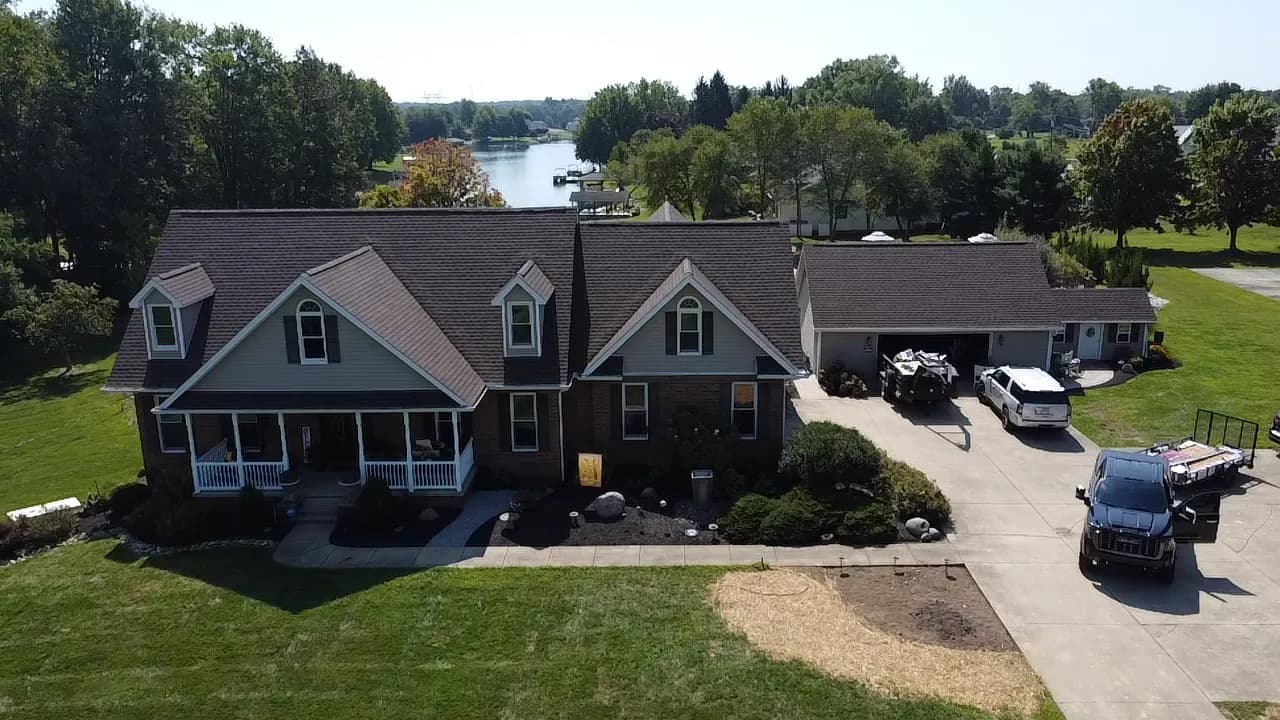
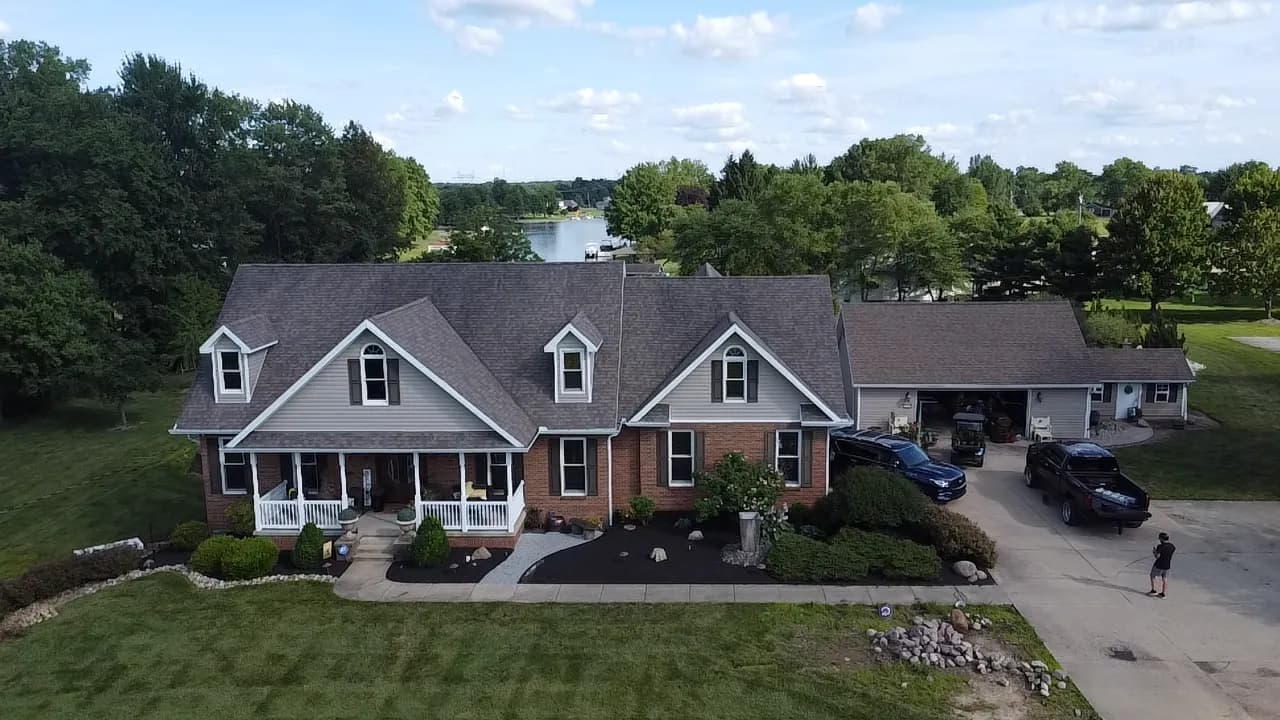
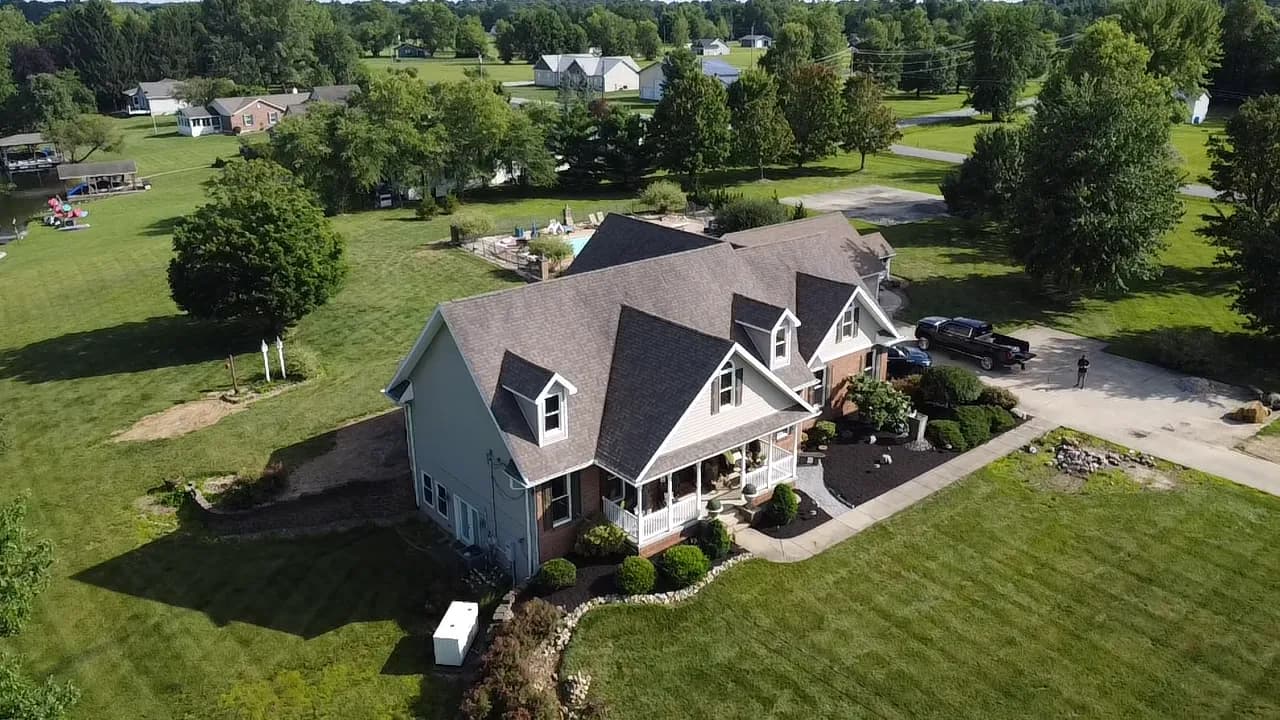
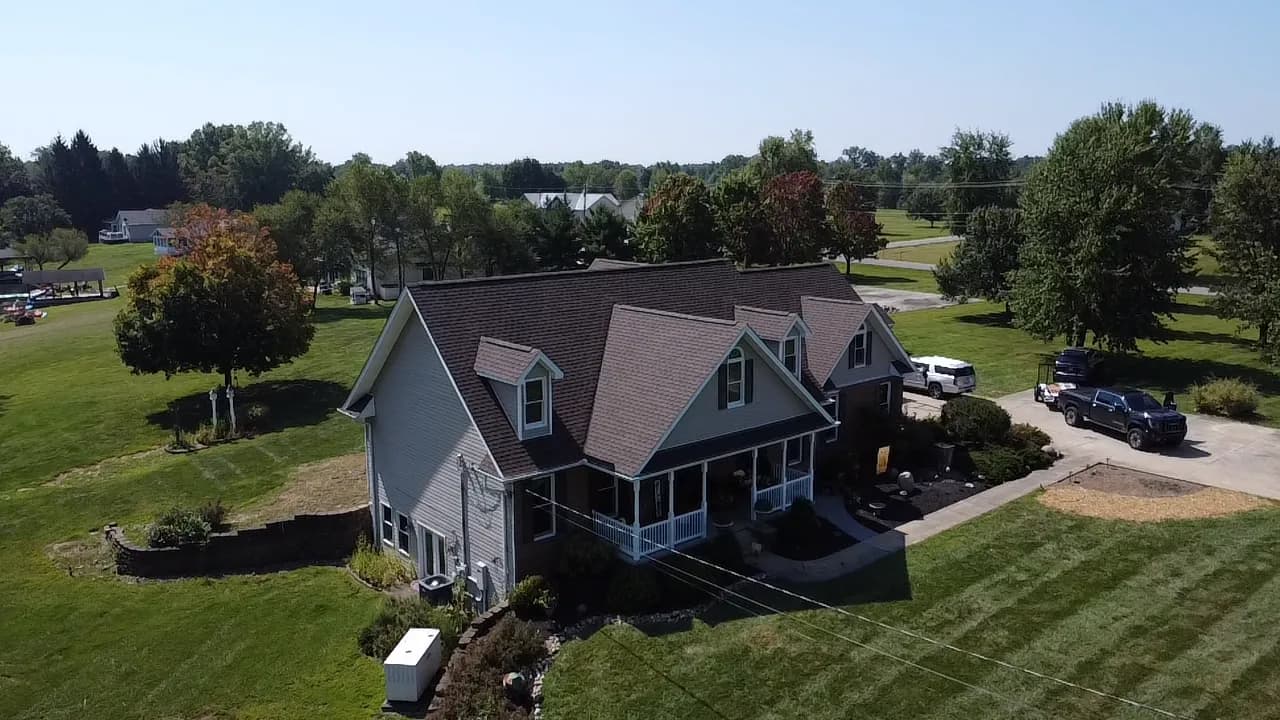
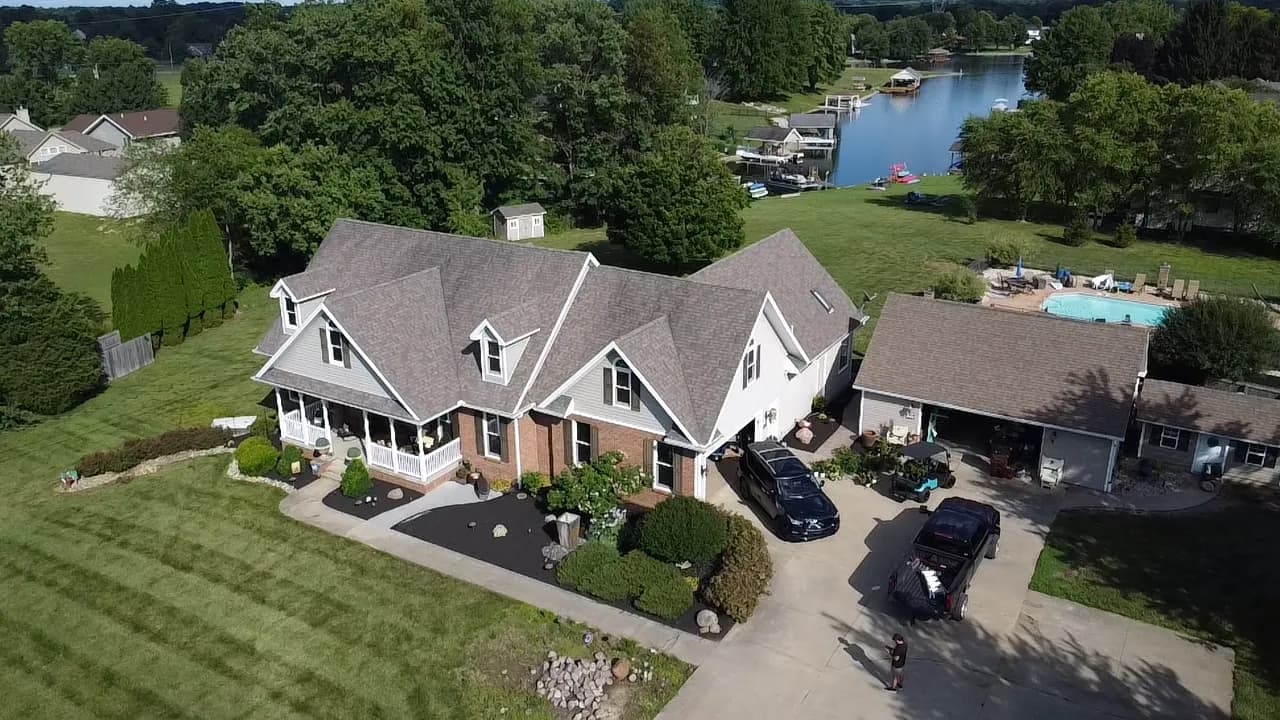
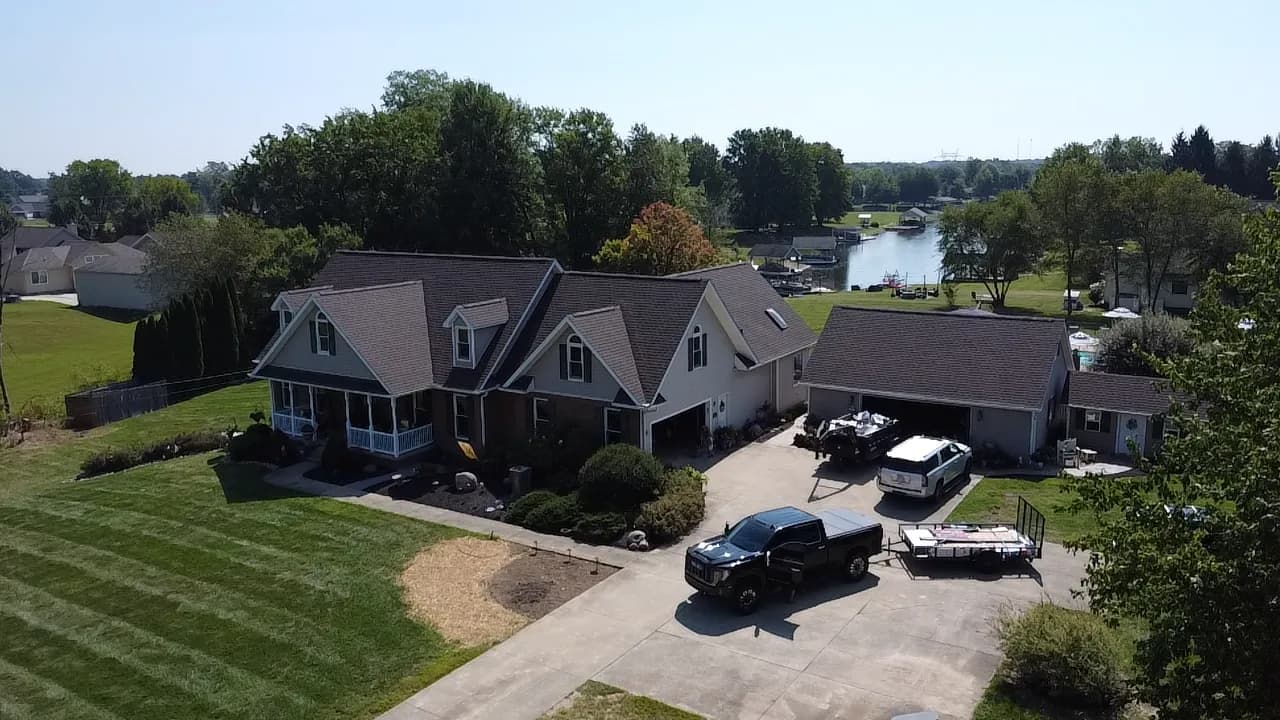
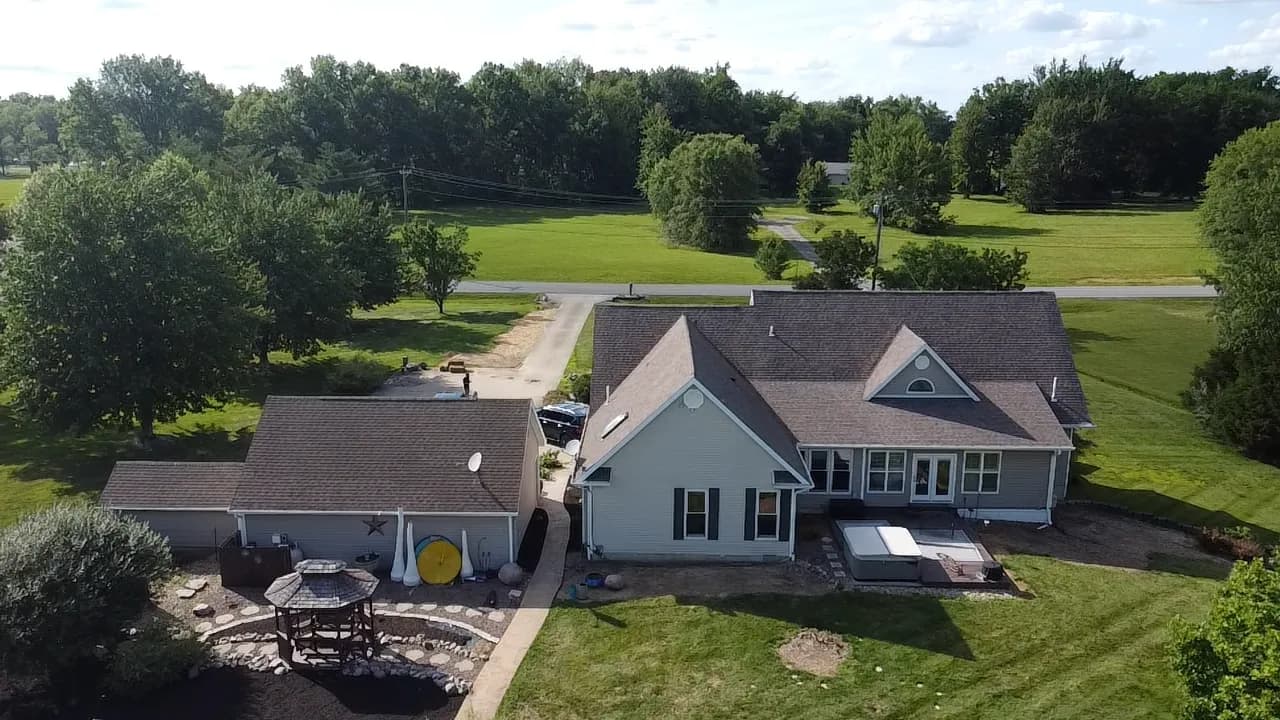
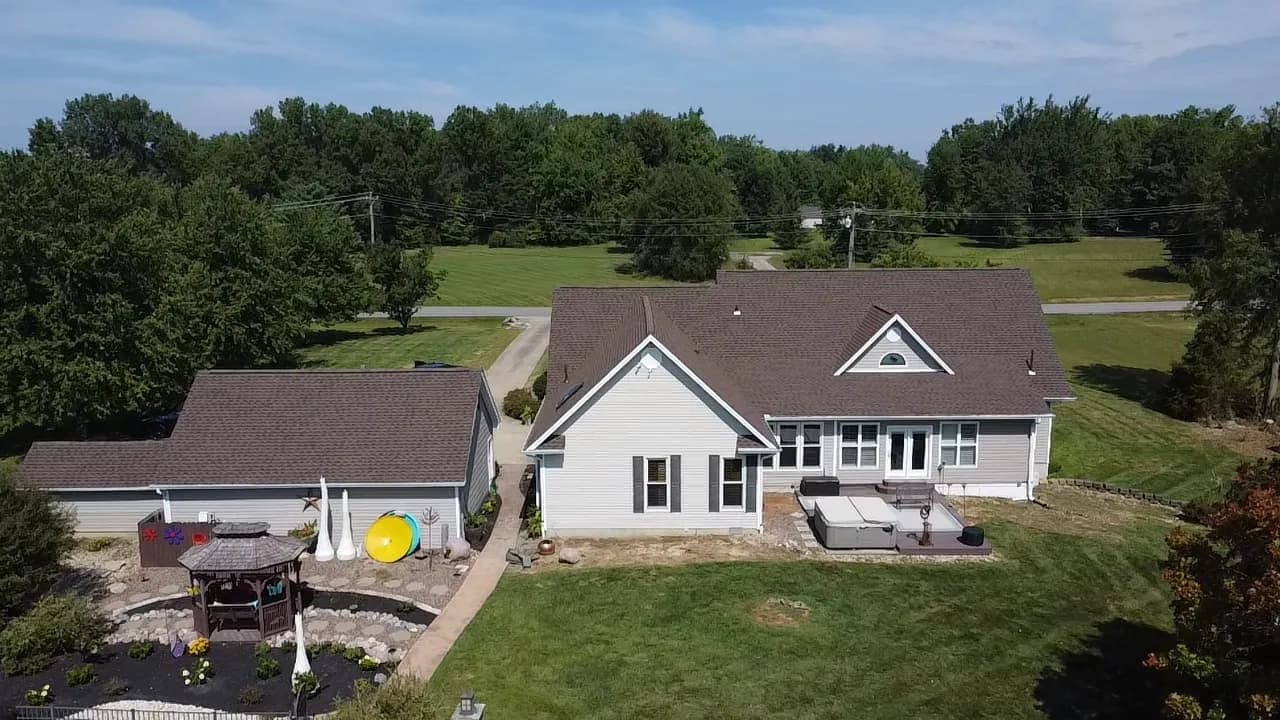
This Lake Waynoka lakefront home got the full treatment. We did a complete tear-off, addressed the ventilation system properly, and rebuilt it from the ground up using GAF premium line products. No layovers, no band-aid fixes. Just a solid residential roofing installation built to last.
What GAF premium shingles bring to the table is real - better weather resistance, a cleaner finished look, and warranty coverage that actually means something. For a home on the water like this one, those things matter even more. Moisture, wind, and temperature swings are tougher on lakefront roofs than most people realize.
The finished roof has that rich, dimensional look that holds up over time and adds genuine curb appeal to a home this size. The multi-gable roofline on this property is not simple work - there are a lot of intersecting planes, valleys, and transitions that all have to be done right to keep water out long-term. Every one of them got the attention it needed.
Getting the material right is only half of it. The other half is the installation - proper ventilation, correct nailing patterns, quality underlayment, and clean flashing at every transition point. That's how you get a roof that performs the way it's supposed to and holds up its warranty.